



Ranolazine Api
2280.00 INR/Kilograms
Product Details:
- HS Code 29335990
- Molecular Weight 427.54 GSM (gm/2)
- Molecular Formula C H N O
- Storage Other
- EINECS No 619-317-6
- Loss on Drying NMT 0.5%
- Melting Point ~118 120 C
- Click to View more
X
Ranolazine Api Price And Quantity
- 25 Kilograms
- 2280.00 INR/Kilograms
Ranolazine Api Product Specifications
- 29335990
- C H N O
- 427.54 GSM (gm/2)
- Other
- 619-317-6
- Antianginal agent; used in the treatment of chronic angina
- NMT 0.5%
- C24H33N3O4
- Not applicable
- As per COA
- ~118 120 C
- 95635-55-5
- N-(2,6-Dimethylphenyl)-4-[2-hydroxy-3-(2-methoxyphenoxy)propyl]piperazine-1-acetamide
- Medicine Grade
- 99
- Slightly soluble in water; soluble in suitable organic solvents
- 5 Years
- Ranolazine
- Not applicable
- As per COA
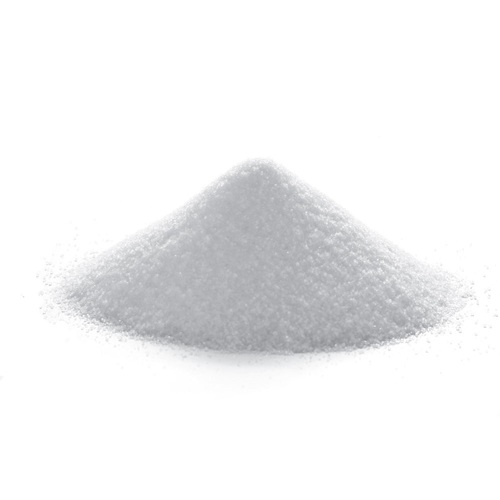
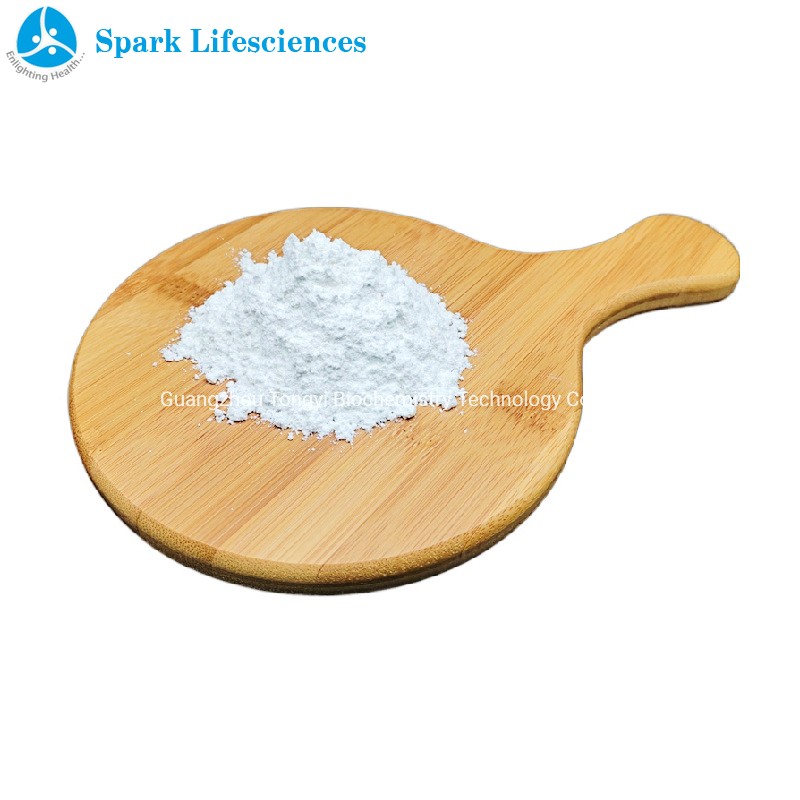
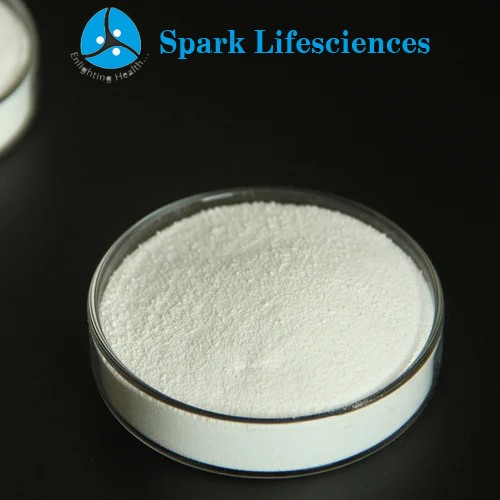
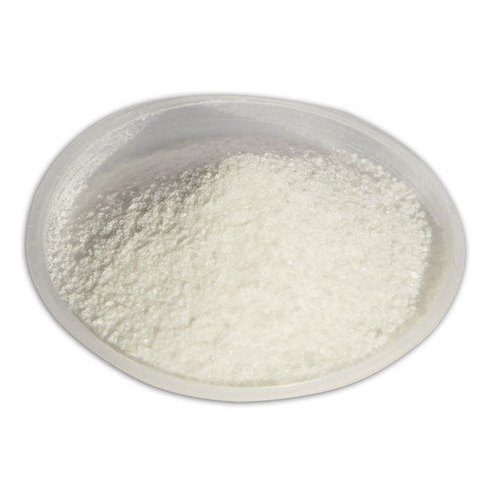
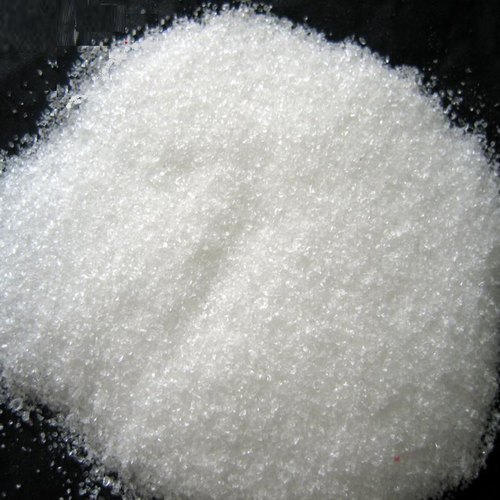
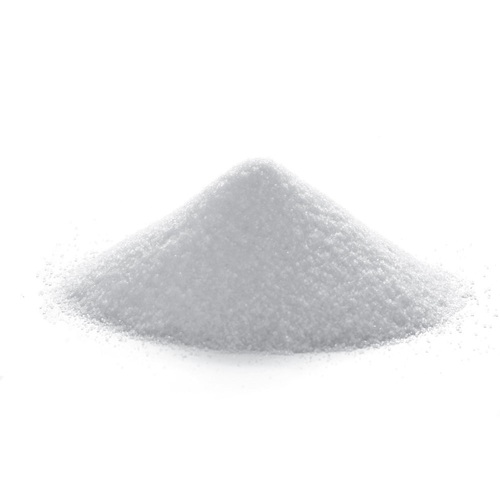
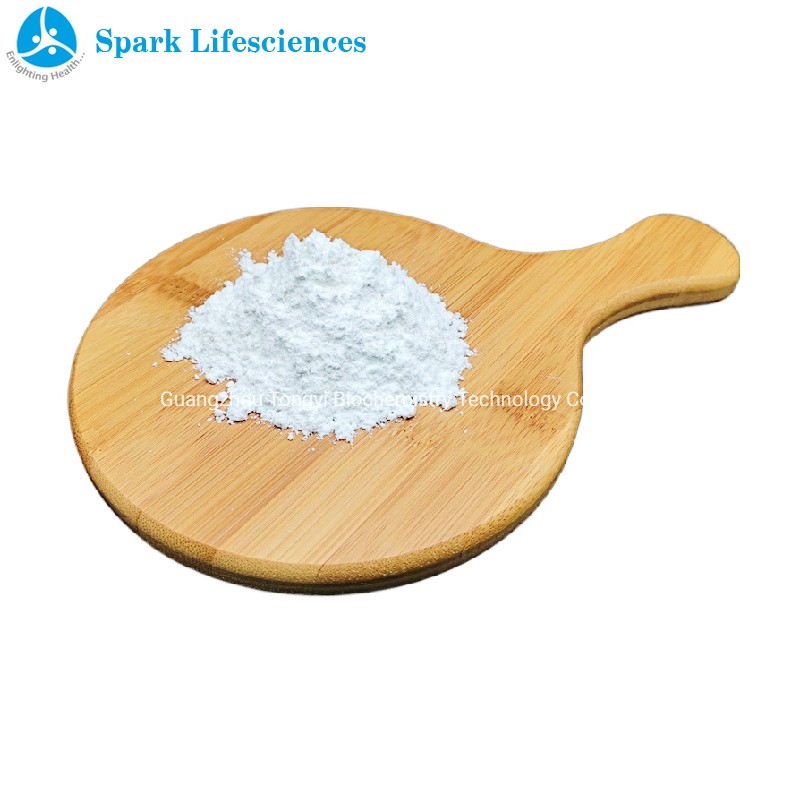
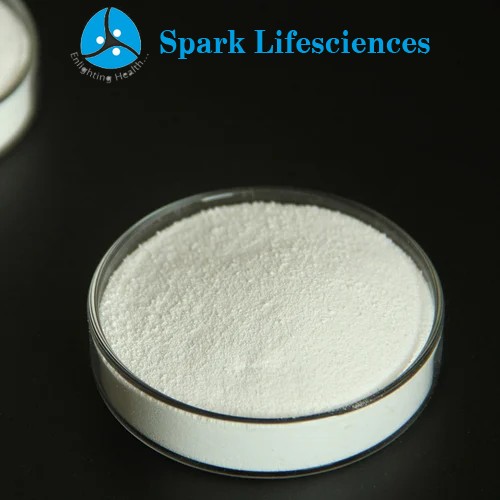
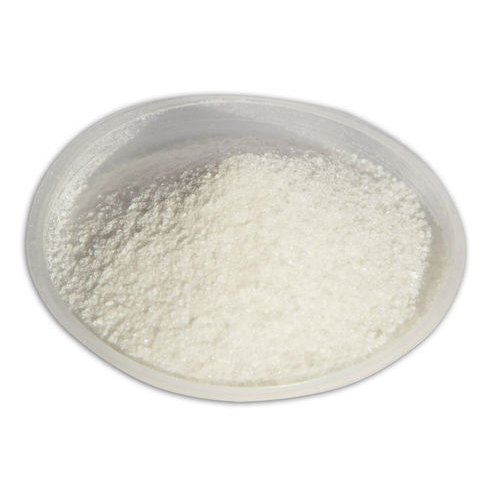
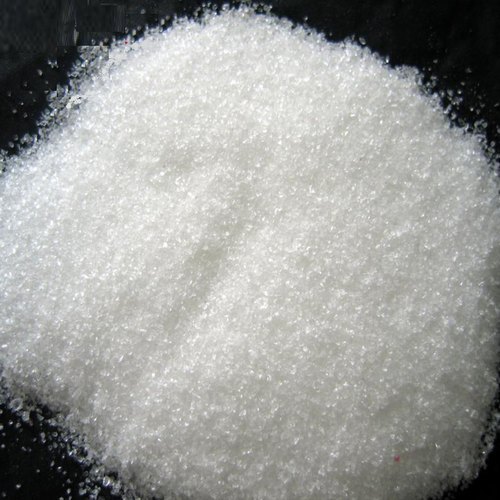
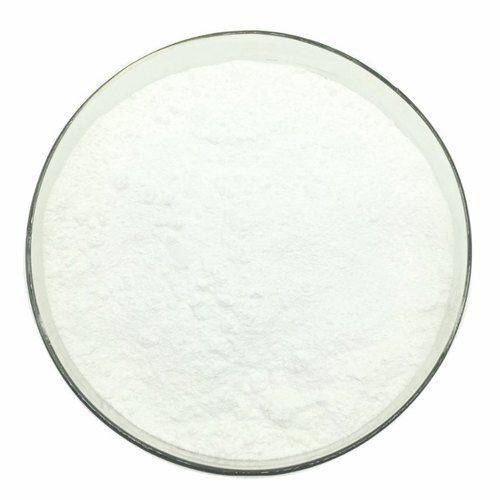
- White to off-white crystalline powder
- Pharmaceutical Intermediates
Ranolazine Api Trade Information
- MUMBAI
- Paypal, Cash Advance (CA), Cash in Advance (CID), Western Union
- 500 Kilograms Per Week
- 15 Days
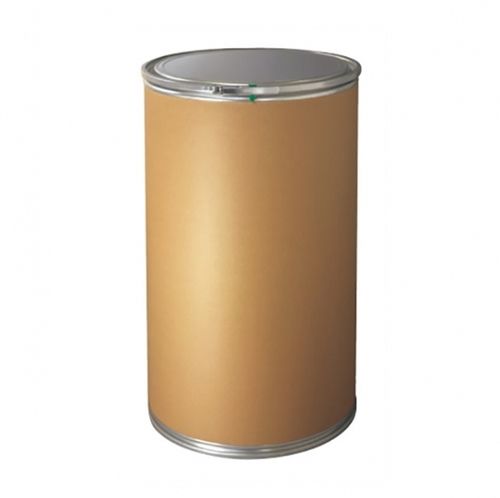
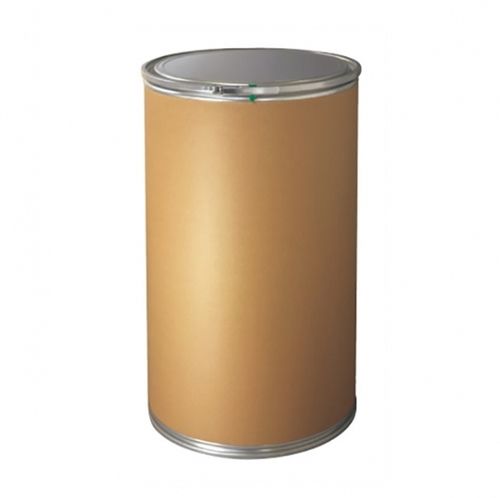
- 25kg/drum with double plastic bags inside; packed in a cardboard drum or fiber HDPE drum.
- Asia, Middle East, Australia, Central America, North America, South America, Eastern Europe, Western Europe, Africa
- All India
Product Description
Ranolazine is used to treat chronic angina. It may be used concomitantly with B blockers, nitrates, calcium channel blockers, antiplatelet therapy, lipid-lowering therapy, ACE inhibitors, and angiotensin receptor blockers.
The most common side effects are dizziness (11.8%) and constipation (10.9%). Other side effects include headache and nausea.
Ranolazine inhibits persistent or late inward sodium current (INa) in heart muscle in a variety of voltage-gated sodium channels. Inhibiting that current leads to reductions in elevated intracellular calcium levels. This in turn leads to reduced tension in the heart wall, leading to reduced oxygen requirements for the muscle.
Key Features of Ranolazine API
Ranolazine API is distinguished by its high level of purity (99%) and pharmaceutical-grade quality, making it ideal for medicinal use in the treatment of chronic angina. Packaged to preserve its stability, it maintains a shelf life of five years. The API is readily adaptable for different dosage forms and compatible with other common cardiac medications, supporting diversified clinical applications. Each batch complies with rigorous standards to guarantee patient safety and therapeutic effectiveness.
Therapeutic Applications and Benefits
Ranolazine is specifically used to manage chronic angina. Its unique mechanism of action helps improve blood flow to the heart without significantly affecting heart rate or blood pressure. The API is often combined with other standard heart medications, such as beta-blockers and calcium channel blockers, for enhanced symptom relief. Its broad acceptance among practitioners highlights its benefit in improving quality of life for patients with cardiac ischemia.
FAQ's of Ranolazine Api:
Q: How is Ranolazine API used in the pharmaceutical industry?
A: Ranolazine API is utilized as a core ingredient in the formulation of medications designed to manage chronic angina. It serves as an active pharmaceutical ingredient for compounding medicine-grade products and can be incorporated alongside beta-blockers, nitrates, or calcium channel blockers.Q: What is the main benefit of using Ranolazine for chronic angina treatment?
A: The main benefit of Ranolazine is its ability to alleviate symptoms of chronic angina by improving blood flow to the heart. Unlike many therapies, it achieves this without major effects on heart rate or blood pressure, making it suitable for a wide range of patients.Q: When should Ranolazine be considered in a treatment regimen?
A: Ranolazine is often prescribed when patients require additional angina symptom control despite being on standard therapies, such as nitrates or beta-blockers, or when those therapies alone do not sufficiently reduce episodes.Q: Where is Ranolazine API sourced and supplied from?
A: Ranolazine API is produced, exported, and traded from India, a recognized hub for high-quality pharmaceutical intermediates and active ingredients.Q: What process ensures the quality and purity of Ranolazine API?
A: The manufacturing of Ranolazine API involves strict quality control protocols, ensuring a purity level of 99%. Each batch undergoes rigorous laboratory testing to confirm compliance with medicinal standards before being released to customers.Q: How long can Ranolazine API be stored without compromising its effectiveness?
A: Ranolazine API maintains its stability and efficacy for up to five years when stored under recommended conditions, thanks to its extended shelf life and secure packaging.Q: In what way is Ranolazine typically administered for patient benefit?
A: Ranolazine is usually formulated into tablets for oral administration and is prescribed either alone or in combination with other medications to achieve optimal control of angina symptoms.Tell us about your requirement

Price:
Quantity
Select Unit
- 50
- 100
- 200
- 250
- 500
- 1000+
Additional detail
Mobile number
Email

Other Products in 'API Intermediate' category

SPARK LIFESCIENCES
GST : 24ACKFS9546B1ZZ
Contact Details

- B No. 220, Samanvay Silicon, Beside Datta Mandir, Opposite Kalyan Cafe, Sayajigunj,Vadodara - 390020, Gujarat, India
- Phone :08045475752

- Mr Gaurang Patel (Partner)
- Mobile :08045475752

 Send Inquiry
 Send SMS
SPARK LIFESCIENCES
All Rights Reserved.(Terms of Use)
Developed and Managed by Infocom Network Private Limited.
Developed and Managed by Infocom Network Private Limited.

